The truth, however ugly in itself, is always curious and beautiful to the seeker after it.
The truth is sometimes a poor competitor in the market place of ideas – complicated, unsatisfying, full of dilemmas, always vulnerable to misinterpretation and abuse.
The truth is rarely pure and never simple.
The truth can cause a lot of trouble for those who are not supposed to know it.
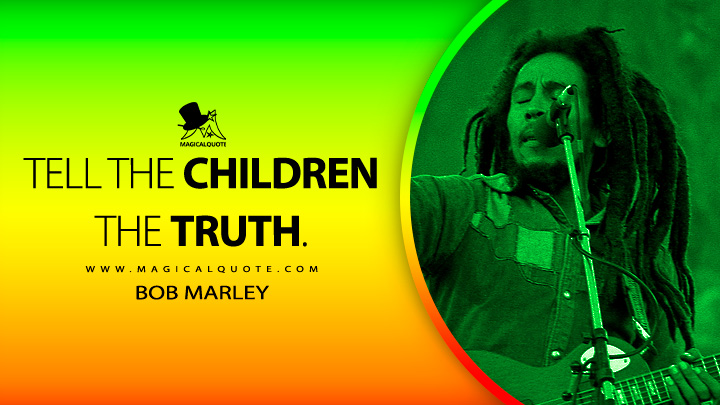
Tell the children the truth.
Our eyes, locked together, speak more naked truths than our mouths ever have.
Naked truths aren’t always pretty.
Language is courage: the ability to conceive a thought, to speak it, and by doing so to make it true.
It would be a dreadful thing to tell anyone about it, for it would destroy some fragile structure of truth. It was truth that might be shattered by division.
It must be remembered that there is no real reason to expect anything in particular from mankind; good and evil are local expedients—or their lack—and not in any sense cosmic truths or laws.
It is much easier to recognise error than to find truth; for error lies on the surface and may be overcome; but truth lies in the depths, and to search for it is not given to every one.
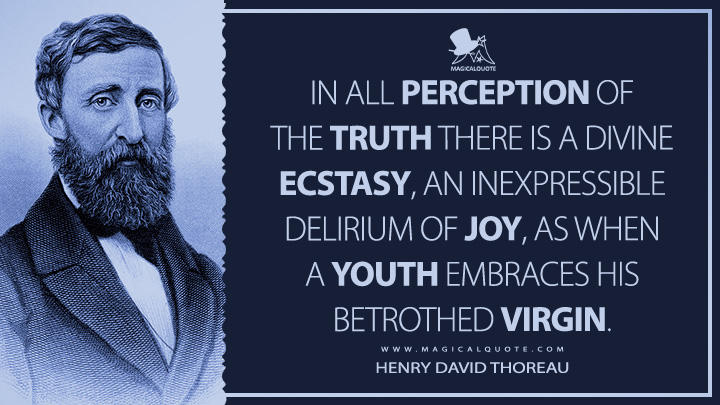
In all perception of the truth there is a divine ecstasy, an inexpressible delirium of joy, as when a youth embraces his betrothed virgin.