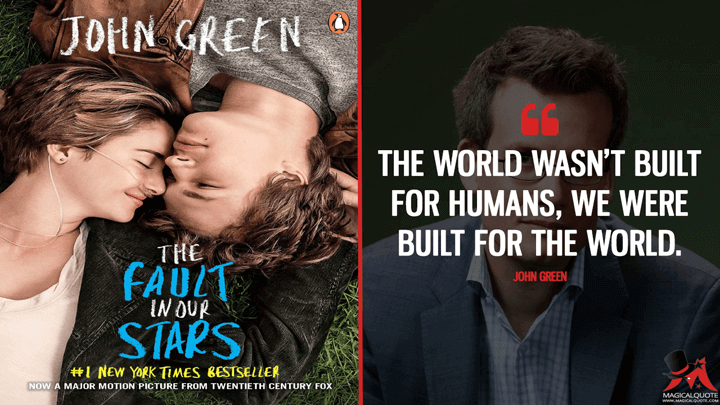
The world wasn’t built for humans, we were built for the world.
The world is not a wish-granting factory.[repeated often in the rest of the book]
The town was paper, but the memories were not.
The moral of the story is that you don’t remember what happened. What you remember becomes what happened.
The marks humans leave are too often scars.
The important thing is not whatever nonsense the voices are saying, but what the voices are feeling.
The dead are visible only in the terrible lidless eye of memory. The living, thank heaven, retain the ability to surprise and to disappoint.
Talking to a drunk person was like talking to an extremely happy, severely brain-damaged three-year-old.
Suffering is universal. It’s the one thing Buddhists, Christians, and Muslims are all worried about.
Sometimes, you read a book and it fills you with this weird evangelical zeal, and you become convinced that the shattered world will never be put back together unless and until all living humans read the book.
Sometimes people don’t understand the promises they’re making when they make them. Right, of course. But you keep the promise anyway. That’s what love is. Love is keeping the promise anyway.
Sometimes it seems the universe wants to be noticed.